Bitumen
Bitumen Applications
From highways and airport runways to roofing membranes, pipeline coatings and hydraulic linings — where bitumen earns its place.
Roughly nine out of every ten tonnes of bitumen produced worldwide end up in a road. The remainder goes into an unusually wide set of industrial uses that all exploit the same two qualities: the material sticks to things, and water does not get through it.
Addam Energy supplies binder into each of these application groups, and our grade recommendation always follows the application and the climate rather than the other way round.
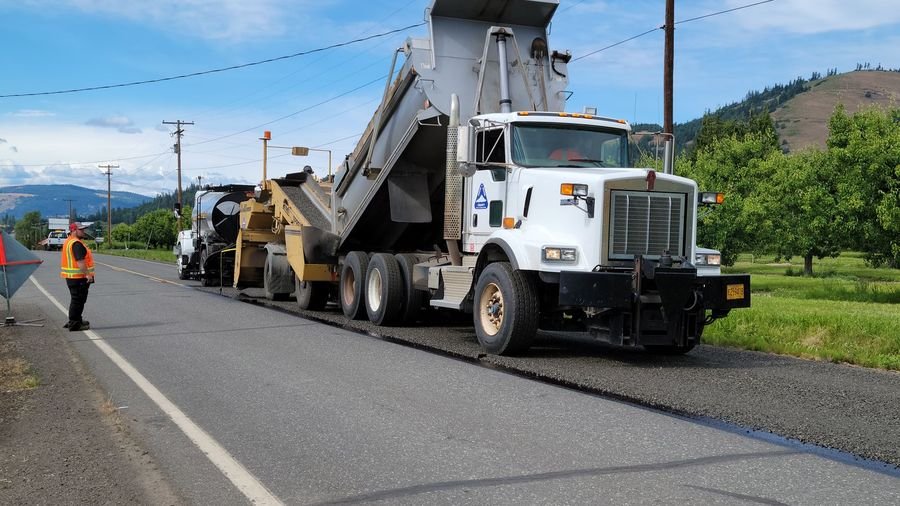
Road construction and maintenance
In hot mix asphalt, bitumen is heated and combined with graded aggregate to form the wearing, binder and base courses of a flexible pavement. The binder is typically five to six per cent of the mix by mass, yet it determines almost everything about how that pavement ages.
For surface treatments the binder is applied directly to the road: surface dressing sprays bitumen and covers it with chippings, slurry seals and micro-surfacing use emulsions with fine aggregate, and tack and prime coats bond one layer to the next. Cold mixes made with cutback or emulsion allow patching and repair work without a hot plant nearby.
Airfields, ports and heavy-duty pavements
Runways, taxiways, container terminals and industrial yards carry concentrated loads that would deform an ordinary pavement. These projects generally call for polymer modified binders or hard penetration grades, specified against the actual wheel loading and the surface temperature range of the site.
Waterproofing and building applications
- Torch-applied and self-adhesive roofing membranes, usually APP or SBS modified
- Damp-proof courses and below-grade tanking for foundations and basements
- Bridge deck waterproofing beneath the asphalt surfacing
- Parking deck and podium waterproofing systems
- Bitumen paints and mastics for sealing joints and penetrations
Industrial and specialist uses
- External corrosion coatings for buried steel pipelines
- Impermeable linings for canals, reservoirs and landfill cells
- Sound-deadening and anti-drumming pads in vehicle manufacture
- Hydraulic structures, dam facings and erosion protection
- Bitumen-bound sub-bases for railway trackbed