Packing & Logistics
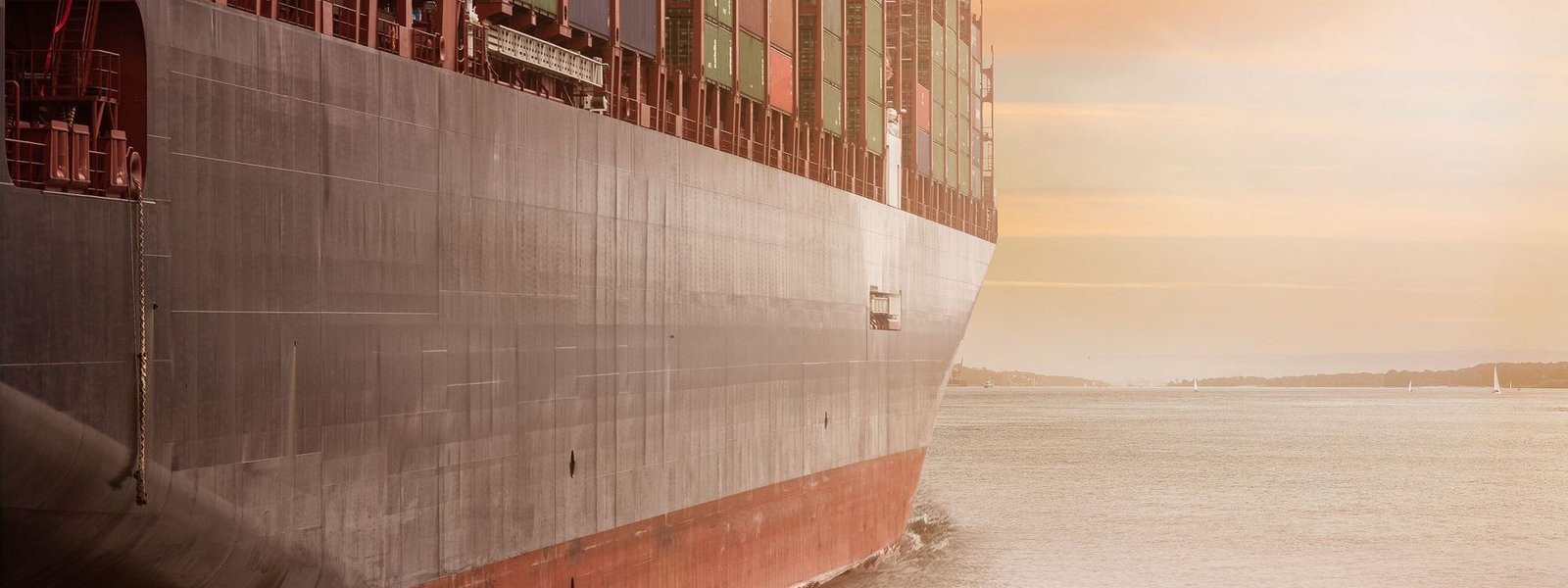
Bitumen in Bulk Vessel
Full and part cargoes moved in heated bitumen tankers — the lowest cost per tonne for buyers with terminal storage.
For any buyer with heated tankage at a receiving terminal, bulk vessel shipment is the most economic way to move bitumen. There is no packing cost, no packing weight in the freight, and no handling at either end beyond pumping.
Bitumen tankers are purpose-built ships with insulated, coil-heated cargo tanks that hold the product at 130 to 160 °C for the duration of the voyage, so it arrives pumpable and homogeneous.
Vessel types and parcel sizes
- Small coastal tankers — 1,000 to 3,000 MT for short-sea and regional trade
- Handysize bitumen carriers — 3,000 to 10,000 MT, the most common class
- Larger dedicated carriers — 10,000 to 30,000 MT for long-haul cargoes
- Part cargoes and co-loading arranged where a full vessel is not required
What the buyer needs at destination
- A berth with draft and length suitable for the nominated vessel
- Heated, insulated shore tankage of sufficient capacity
- Heated discharge line and pumping capability from ship to tank
- Customs clearance and port formalities arranged in advance
- A surveyor appointed for discharge quantity and quality verification
How a bulk shipment runs
The cargo is nominated against a laycan, an independent surveyor draws and seals samples at load port, and quantity is established by shore tank measurement or vessel ullage as the contract specifies. Temperature is logged throughout the voyage. On arrival the surveyor repeats the measurement and sampling at discharge, and the out-turn figure settles the invoice.
We arrange chartering, marine insurance, inspection and documentation as part of the supply, and issue the full document set — bill of lading, certificate of origin, certificate of analysis, quantity and quality certificates and insurance policy.
Commercial terms
Bulk cargoes are traded FOB, CFR or CIF. Payment is normally against an irrevocable letter of credit confirmed by an acceptable bank, with documents presented after loading. We will structure the terms around whichever incoterm and payment instrument suits your treasury.
Typical specification
| Parcel size | 1,000 – 30,000 MT |
|---|---|
| Loading temperature | 150 – 165 °C |
| Voyage temperature | Maintained 130 – 160 °C |
| Incoterms | FOB · CFR · CIF |
| Payment | Confirmed irrevocable L/C |
Values are indicative and given for guidance. Contract specification is agreed in writing and certified per batch on the certificate of analysis issued with each shipment.