Packing & Logistics
Bitumen Drum Packing
New steel drums of 150 to 200 kg — the most flexible way to move bitumen to sites without bulk storage or heating plant.
Steel drums remain the default packing for bitumen moving into markets that have no terminal storage, no heated tankage and no reliable inland bulk logistics. A drum is self-contained, it stacks, it survives rough handling, and it can sit on site for months before it is opened.
Addam ships in new drums only. Reconditioned drums cost less per unit and cost far more in claims: seam failure in transit, rust contamination of the binder, and rejected cargo at discharge.
Drum specification
Standard supply is a new steel drum of 0.8 to 1.2 mm wall thickness, open-head or tight-head according to the grade, with an internal lacquer coating where the product requires it. Net weights of 150 kg, 180 kg and 200 kg are all standard; 180 kg is the most widely traded.
Drums are filled hot, allowed to cool under controlled conditions, then sealed, marked and palletised or stowed loose according to the shipment method.
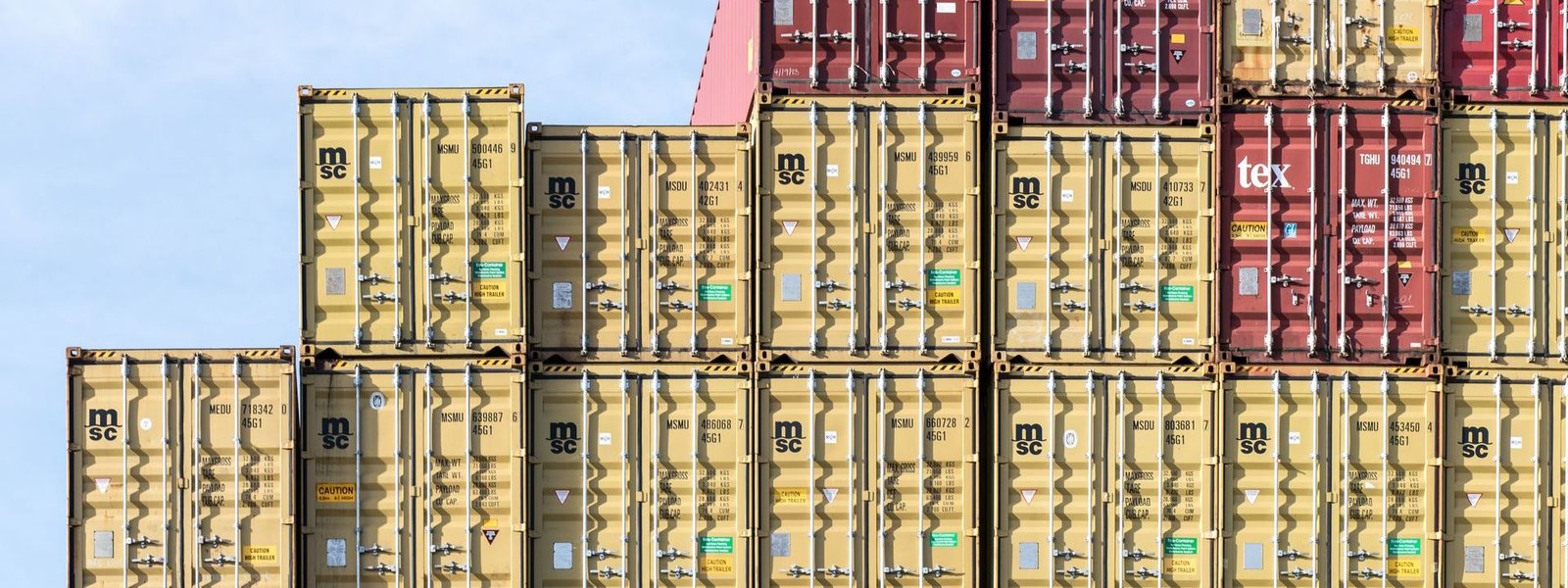
Container loading
- 20-foot container — 80 drums at 180 kg, approximately 14.4 MT net
- 20-foot container — 112 drums at 150 kg, approximately 16.8 MT net
- Drums loaded upright and secured against movement in transit
- Dunnage and lashing applied to prevent seam damage
- Container inspected and sealed with the seal number recorded on the documents
Advantages
- No terminal storage, heated tankage or pumping infrastructure needed at destination
- Small order quantities are viable — a single container rather than a cargo
- Long shelf life with no degradation when stored correctly
- Easy to redistribute inland by flatbed truck to multiple sites
- Simple stock control — each drum is a countable unit
- Drums can be cut open and the block melted directly in a bitumen boiler
Points to weigh
The packing itself is a real cost — steel, filling labour and the freight paid on the weight of the drum rather than the product. Emptying drums on site is slower and more labour-intensive than pumping from a tank, and the empty steel has to be disposed of or recycled. For continuous, high-volume supply into a location with tankage, bulk is almost always the better economics.
Typical specification
| Net weight options | 150 kg · 180 kg · 200 kg |
|---|---|
| Drum condition | New steel only |
| Wall thickness | 0.8 – 1.2 mm |
| 20ft container load | 80 × 180 kg ≈ 14.4 MT |
| Marking | Grade, batch, net weight, origin, date |
Values are indicative and given for guidance. Contract specification is agreed in writing and certified per batch on the certificate of analysis issued with each shipment.