Sulphur
Sulphur Production & Uses
From the Claus unit to sulphuric acid, fertilizer, rubber and mining — how sulphur is made and where it goes.
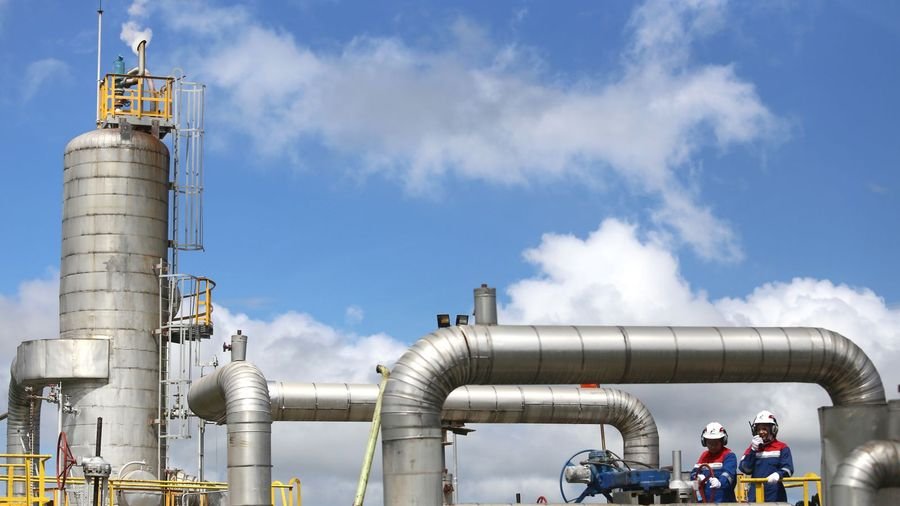
Sulphur production today is almost entirely a by-product operation. Refiners and gas processors strip sulphur compounds out of hydrocarbons to meet fuel specifications and protect catalysts, and elemental sulphur is what falls out of that process.
The Claus process
Hydrogen sulphide separated from sour gas or refinery streams is fed to a Claus unit. In the thermal stage, one third of it is burned to sulphur dioxide. In the catalytic stages that follow, the remaining hydrogen sulphide reacts with that sulphur dioxide over an alumina catalyst to produce elemental sulphur and water.
A two or three stage Claus unit recovers 95 to 98 per cent of the incoming sulphur. A tail gas treatment unit downstream lifts total recovery above 99.8 per cent, which is what modern environmental permits require.
Other production routes
- Frasch mining — superheated water melts underground deposits for extraction, now marginal
- Pyrite roasting — mainly captured directly as sulphuric acid rather than elemental sulphur
- Non-ferrous smelter off-gas — a significant acid source in copper and zinc producing regions
- Tar sands and heavy oil upgrading — a large and growing source in Canada
Sulphuric acid — the dominant destination
Molten sulphur is burned to sulphur dioxide, catalytically oxidised to sulphur trioxide over vanadium pentoxide in the contact process, then absorbed into existing acid to make oleum and diluted to strength. Roughly ninety per cent of all sulphur produced follows this route.
The acid then goes primarily into phosphate rock digestion for DAP, MAP and triple superphosphate fertilizer manufacture — the single largest end use of sulphur worldwide.
Direct and industrial uses
- Agricultural sulphur — a secondary nutrient and a soil acidifier on alkaline ground
- Rubber vulcanisation — cross-linking polymer chains to give strength and elasticity
- Fungicide and acaricide in horticulture, viticulture and organic production
- Pulp and paper — sulphite and kraft pulping chemistry
- Mining — acid leaching of copper, uranium and nickel ores
- Sulphur concrete and specialist construction materials
- Pharmaceuticals, dermatological preparations and fine chemicals
- Detergents, dyes, pigments and synthetic fibre production