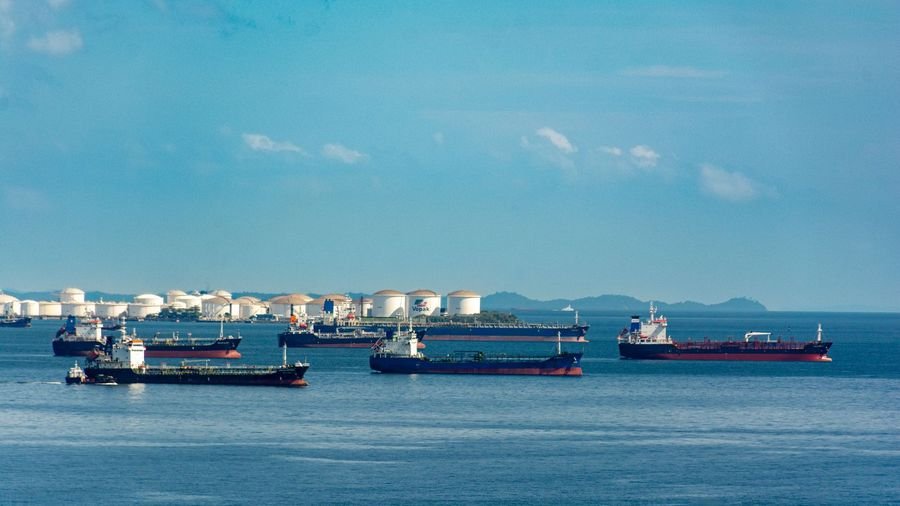
Fuel Oil
Fuel Oil cst 180
A 180 centistoke residual fuel oil — lighter, easier to handle and less heating-intensive than the heavier viscosity grades.
Fuel oil cst 180 is a residual fuel with a maximum kinematic viscosity of 180 centistokes at 50 °C. It sits between distillate fuels and the heavier 380 grade, and it is chosen wherever handling convenience matters more than the last few dollars per tonne.
The lower viscosity means less preheating before pumping, faster transfer, easier atomisation at the burner and lower risk of line blockage in cold conditions.
Where it is used
- Marine main and auxiliary engines on smaller and coastal vessels
- Industrial steam boilers and thermal oil heaters
- Power generation in medium-speed diesel engine plant
- Cement, glass, ceramic and brick kilns
- Process heating across refining and petrochemical sites
- Blend component for producing heavier or lighter grades
Why choose 180 over 380
The practical difference is heat. A 380 grade typically needs storage around 50 °C and heating to 110 to 130 °C before injection. A 180 grade needs meaningfully less on both counts, which cuts fuel consumed in heating, shortens transfer times and reduces the chance of a cold-weather handling problem.
Against that, 380 usually carries a lower price per tonne. The right choice depends on how much heating capacity you already have and what it costs you to run it.
Storage and handling
- Store at 40 to 50 °C in heated, insulated tankage
- Preheat to 90 to 110 °C before burner injection
- Keep at least 10 °C above pour point at all times in lines and tanks
- Use centrifugal separation to remove water and solids before use
- Drain tank bottoms regularly to control water accumulation
- Do not commingle with incompatible stems without a compatibility test
Typical specification
| Kinematic viscosity @ 50 °C | 180 cSt maximum |
|---|---|
| Density @ 15 °C | 991.0 kg/m³ maximum |
| Sulphur content | To contract — 0.5% / 1% / 2% / 3.5% |
| Flash point | 60 °C minimum |
| Pour point (summer) | 30 °C maximum |
| Water content | 0.5% v/v maximum |
| Ash content | 0.10% m/m maximum |
| Gross calorific value | Approximately 42.5 MJ/kg |
Values are indicative and given for guidance. Contract specification is agreed in writing and certified per batch on the certificate of analysis issued with each shipment.